Lead story
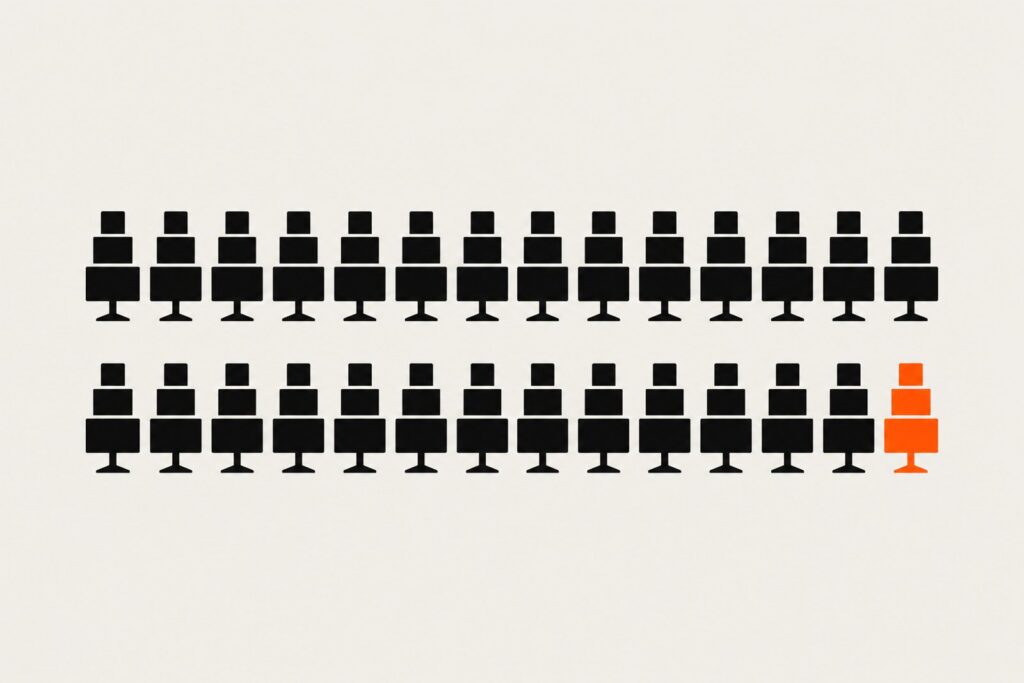
The Average Wedding Costs 28 Weeks of Pay
At about $34,200, the average 2025 wedding is pricier than in 2009, yet it takes ten fewer weeks of pay to cover.
A short email with the figure, the working behind it and why it matters. Free, and easy to leave.
§ 02 Worth your time
Deeper stories where we check the sums ourselves — and show every step of the working.
The percent in a rain forecast is the chance that a measurable drop lands where you stand, and forecasts are far better than they used to…
In fiscal 2026 net interest cost $1.05 trillion, more than national defense and up from about 6 cents of the dollar ten years earlier.
§ 03 Calculator
Price tags are written in dollars, but we pay for things with time. Enter your take-home pay and see any price as hours of work.
Illustration only: hourly value is take-home pay spread over 52 working weeks, before any other costs of earning it.
§ 04 Fresh figures
Money, odds and scale — the newest pieces from every corner of the site.
The famous USDA figure is a 2015 average for one kind of family, and updating it gives anywhere from $285,000 to $317,000.
At an assumed 6% return, a 1% yearly fee takes about 32% of 40 years of growth, while…
The times-seven rule looks like 70 divided by 10; a 2020 DNA-methylation study found dogs age fast early,…
One research firm estimates about 376 billion emails are sent and received daily in 2025, and nearly half…
At 27 mpg and $3.64 gas, a mile of driving burns about 13 cents of fuel, so a…
In 100 fair flips the longest run is typically about 7, which is why made-up sequences give themselves…
Workers pay about a quarter of the average employer family premium. The rest never touches their paycheck, and…
§ 05What we count
Big claims get smaller — or much bigger — once you do the arithmetic. These are the questions we keep coming back to.
Salaries, fortunes and budgets set side by side.
Savings, fees and mortgages measured over decades.
Lotteries, insurance and the risks we misjudge.
Costs in hours of work and after inflation.
Queues, traffic jams and too-good discounts.
Countries, the planet and humanity in figures.
Percentage tricks, fake statistics and myths.